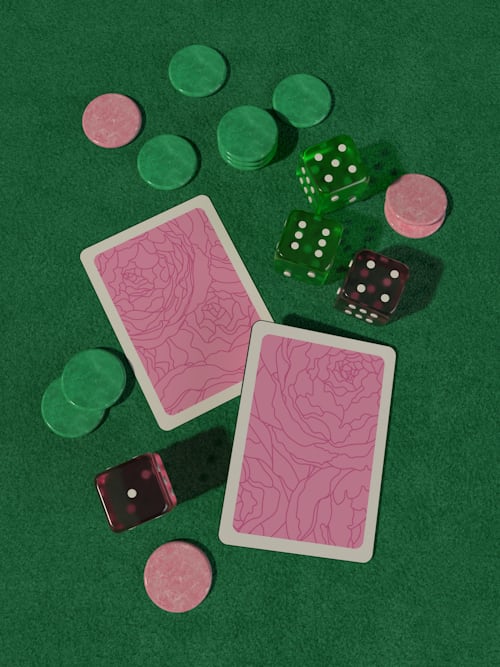
Perspectives on the intersection of gambling and art
The Historical Connection Between Gambling and Art
Throughout history, gambling has been a source of inspiration for countless artists. From the colorful depictions of card games in Renaissance paintings to the chaotic allure of modern casino scenes, the gambling world has often been romanticized through art. Artists have captured the thrill of chance and, interestingly, the emotional stakes that come with it, leading one to explore options like casino not on gamstop for alternative experiences that reflect on this theme. The intricate dynamics of human behavior in the face of risk create works that reflect the societal views on gambling during their respective eras.
Notably, artists such as Caravaggio and Picasso incorporated gambling themes into their works, often highlighting the emotional rollercoaster associated with winning and losing. These interpretations offer a unique glimpse into the human psyche, revealing our fascination with luck, fortune, and the darker sides of temptation and addiction. The relationship between gambling and art is not just one of aesthetic representation but also an exploration of deeper philosophical questions surrounding chance and destiny.
Thematic Representations in Contemporary Art
In contemporary art, gambling is often used as a metaphor for larger societal issues. Artists utilize elements of chance and unpredictability to comment on risk-taking in various contexts, from financial markets to personal relationships. For instance, installations that mimic the randomness of slot machines or performance art that engages audiences in games of chance invite viewers to reconsider their own perceptions of risk and reward.
This intersection of gambling and contemporary art also raises questions about consumerism and the value placed on material gains. The art world has often mirrored the high-stakes atmosphere of gambling, where both artists and collectors take risks in pursuit of success. In this environment, the narrative of gambling transcends mere games, becoming a critical lens through which we can examine modern life.
Gambling as an Artistic Medium
Interestingly, some artists have taken the concept of gambling a step further by incorporating it directly into their creative processes. By using chance-based methods, such as random number generation or games of chance, they blur the lines between authorship and randomness, challenging traditional notions of creativity. This approach not only engages audiences but also prompts them to reflect on the role of luck in artistic creation. 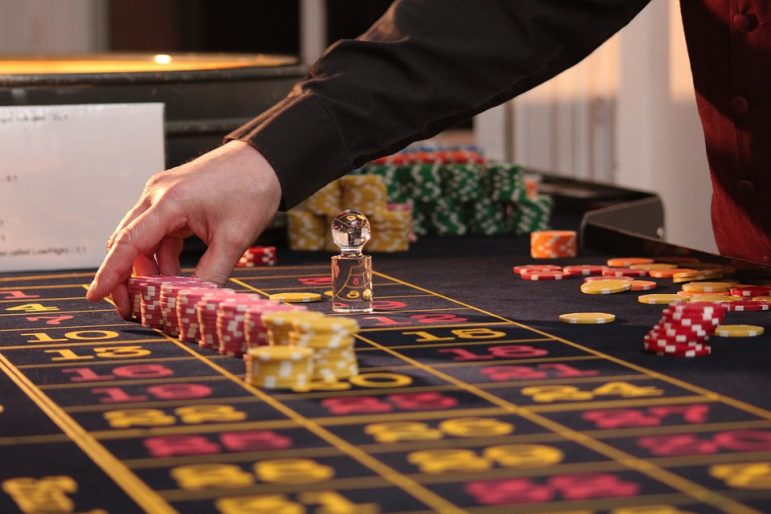
Such practices can be seen in various forms, from lottery-based art initiatives to interactive installations where participants’ decisions influence the outcome of the artwork. This not only democratizes art-making but also highlights the unpredictability inherent in both gambling and artistic expression. In this context, the act of creation becomes a gamble in itself, where the outcomes are uncertain and often surprising.
The Role of Online Platforms in Protecting Artistic Expression
As the gambling and art landscapes continue to evolve, the digital realm plays an increasingly crucial role in safeguarding artistic endeavors. Online platforms dedicated to providing security and performance enhancement for artists and their work are essential in an age where digital content is vulnerable to threats. These services ensure that artists can focus on their craft without the worry of unauthorized access or potential attacks on their digital portfolios.
Moreover, online security measures help foster a safe environment for collaboration and sharing within the artistic community. By offering reliable protection, these platforms not only support individual artists but also contribute to the broader cultural narrative surrounding the fusion of gambling and art. This ongoing dialogue encourages innovation while respecting the integrity of creative expression.